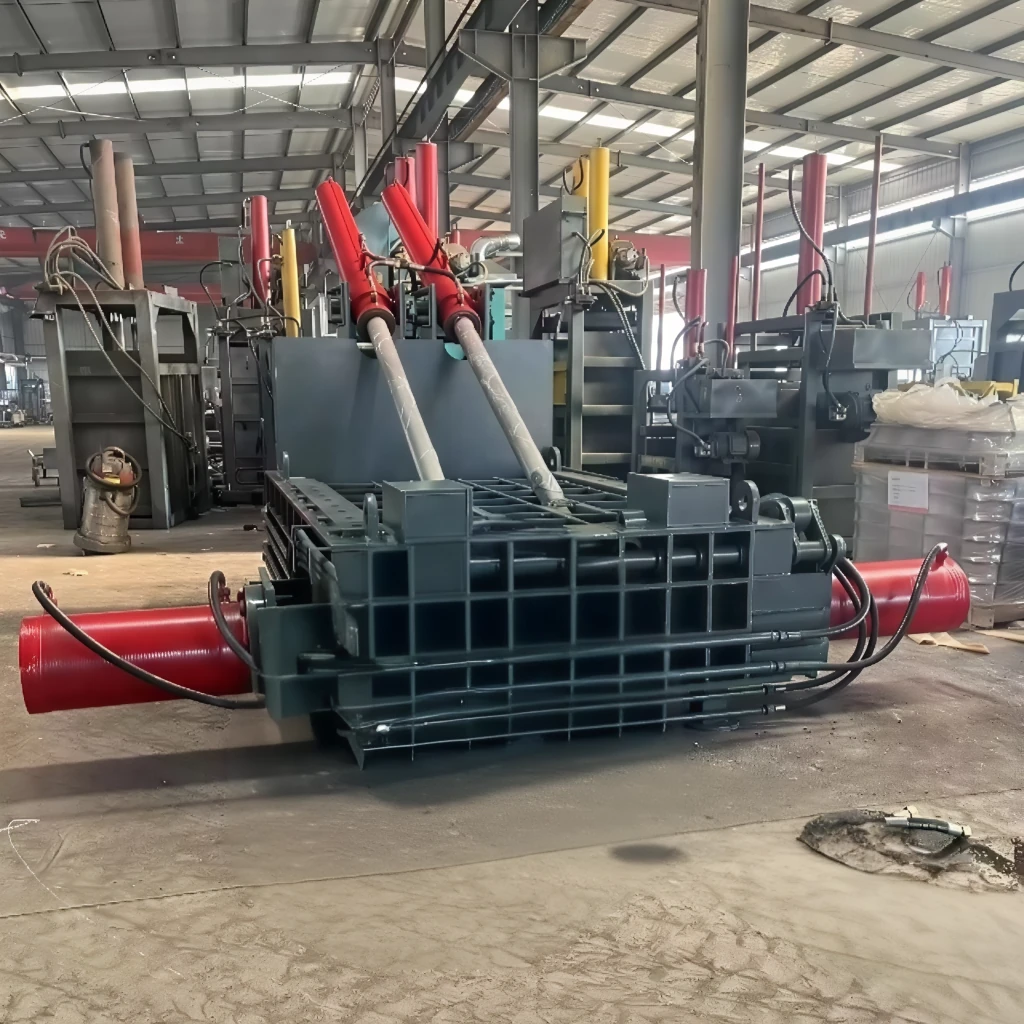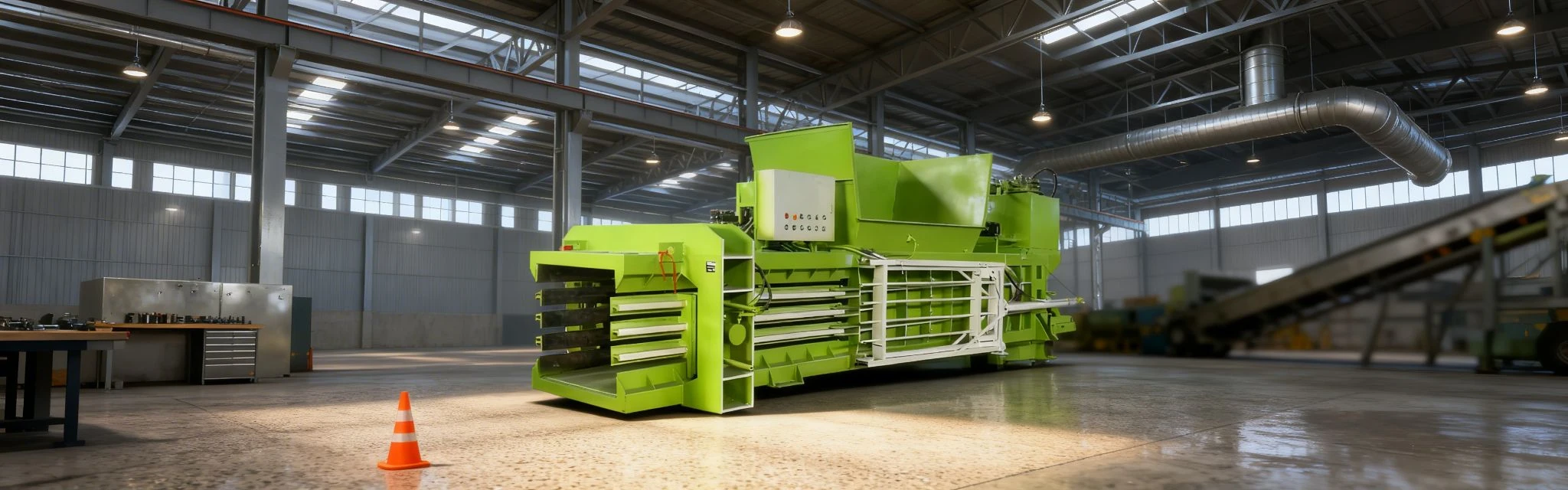
For businesses dealing with large volumes of waste and recyclable materials—such as recycling centers, manufacturing factories, and waste management companies—efficiency and productivity are non-negotiable. A horizontal hydraulic baler is a powerful, automated solution designed to handle high-volume waste compression, turning loose, bulky materials into dense, uniform bales that are easy to store, transport, and recycle. As a professional hydraulic machinery manufacturer based in Jining, Shandong, China, we’ve created this comprehensive pillar guide to help you master everything about horizontal hydraulic balers: how they work, their key types, ideal applications, core benefits, and expert buying advice to help you make a smart investment for your business.
What Is a Horizontal Hydraulic Baler?
A horizontal hydraulic baler is a high-capacity waste compression machine that uses hydraulic pressure to compress materials horizontally—with a hydraulic ram pushing from one end of a horizontal chamber to compact loose waste into tight bales. Unlike vertical hydraulic balers (which are compact and ideal for small to medium waste volumes), horizontal models are designed for large-scale operations, featuring automated feeding systems, higher compression force, and continuous processing capabilities.
The core structure of a horizontal hydraulic baler includes three key systems: a sturdy steel frame (ensuring durability for heavy-duty industrial use), a high-performance hydraulic system (the “heart” of the machine, providing consistent pressure for dense bales), and an advanced electrical control system (usually PLC-based, enabling fully automatic or semi-automatic operation). The working process is streamlined: materials are fed into the horizontal chamber via a conveyor belt, forklift, or manual feeding, the hydraulic ram applies horizontal pressure to compress the materials, the bale is automatically tied with wire or plastic strapping, and the finished bale is ejected from the opposite end for storage or transportation.
Ideal for businesses with high daily waste volumes, horizontal hydraulic balers eliminate the need for frequent manual feeding and compression, significantly reducing labor costs and boosting operational efficiency.
Key Types of Horizontal Hydraulic Balers
Horizontal hydraulic balers come in various types to suit different waste volumes, material types, and operational needs. As a leading manufacturer, we offer a full range of customized models to match every industrial application:
- Fully Automatic Horizontal Hydraulic Baler: The most popular choice for large-scale operations (e.g., large recycling plants, manufacturing factories). Features fully automated feeding, compression, bale tying, and ejection—requiring minimal human intervention. Equipped with PLC control systems, conveyor feeding, and automatic strapping, these models handle high volumes (1-15 tons per hour) efficiently and consistently.
- Semi-Automatic Horizontal Hydraulic Baler: Combines manual ejection with automatic compression and bale tying. Ideal for medium to large businesses with moderate waste volumes that want to balance efficiency and control. These models are more cost-effective than fully automatic ones while still reducing labor costs.
- Heavy-Duty Horizontal Hydraulic Baler: Built with thick, high-strength steel (14mm+ chamber walls for metal recycling) and high-pressure hydraulic systems (20-400 tons of compression force), designed to handle tough materials like scrap metal, thick plastic, industrial waste, and bulky offcuts. Perfect for metal recycling plants, steel mills, and industrial facilities with heavy-duty waste processing needs.
- Closed-End vs. Open-End Horizontal Balers: Closed-end models produce tightly packed, uniform bales (ideal for recyclables like paper, plastic, and metal), while open-end models allow for longer bales and are suitable for bulky materials like textiles, foam, and agricultural waste. Both designs can be customized to match specific bale size requirements.
- Two-Ram Horizontal Hydraulic Baler: Equipped with two hydraulic rams for enhanced compression force and efficiency, ideal for high-volume, heavy-duty applications. These models are perfect for processing large quantities of scrap metal, cardboard, and plastic, ensuring dense, high-quality bales every time.
What Materials Can a Horizontal Hydraulic Baler Handle?
One of the greatest strengths of a horizontal hydraulic baler is its versatility—they can process a wide range of recyclable materials and industrial waste, making them a versatile asset for multiple industries. Common materials include:
- Paper & Cardboard: Corrugated cardboard, office paper, newspaper, OCC (old corrugated containers), and paper scraps
- Plastic: PET bottles, plastic film, HDPE plastic, plastic bags, rigid plastics, and plastic scraps
- Metal: Scrap metal, aluminum cans, steel cans, metal shavings, and even bulky metal parts (with heavy-duty models)
- Textiles & Fibers: Fabric scraps, used clothes, cotton waste, yarn cones, and textile offcuts
- Other Materials: Foam, packaging waste, wood chips, sawdust, agricultural waste (straw, fruit branches), and biomass materials
This wide material compatibility makes horizontal hydraulic balers the preferred choice for materials recovery facilities (MRFs), waste management companies, large recycling plants, and industrial factories worldwide.
Benefits of Using a Horizontal Hydraulic Baler for Your Business
Investing in a horizontal hydraulic baler delivers significant operational and financial benefits, especially for businesses with high waste volumes. Here are the key advantages that make it a worthwhile investment:
- High Efficiency & High Volume Processing: Horizontal hydraulic balers handle large volumes of waste (1-40 tons per shift) with continuous feeding and automatic operation, reducing processing time and boosting productivity. Unlike vertical balers, they don’t require frequent pauses for manual feeding, making them ideal for 24/7 industrial operations.
- Labor Cost Savings: Fully automatic and semi-automatic models minimize manual labor—one machine can replace multiple workers, reducing labor costs by up to 40% compared to vertical balers or manual compression methods. The PLC control system and conveyor feeding eliminate the need for manual material handling and compression activation.
- Dense, Uniform Bales: Horizontal hydraulic balers apply consistent horizontal pressure, producing dense, uniform bales (density ≥ 400-450 kg/m³) that are easier to stack, store, and transport. Denser bales also fetch higher prices from recycling buyers, increasing your revenue from recyclables.
- Durability & Long Service Life: High-quality horizontal hydraulic balers (like our heavy-duty models) are built with high-strength steel frames, branded hydraulic components (Bosch/Rexroth/Yuken), and reinforced compression chambers. With proper maintenance, they can last 12-18 years, even under continuous heavy-duty use.
- Space Optimization: By compressing waste into dense bales, horizontal hydraulic balers reduce waste volume by up to 90%, freeing up valuable warehouse, yard, or factory space. Uniform bales stack neatly, maximizing storage capacity and reducing clutter in your facility.
- Customization & Flexibility: We offer full OEM/ODM customization for horizontal hydraulic balers, including compression force (10 grades from 80-400 tons), bale size, feeding method (conveyor or manual), control system, and appearance. We can tailor the machine to your specific material type, waste volume, and operational needs.
- Environmental Sustainability: By compressing and recycling waste, you’ll reduce your business’s carbon footprint, minimize landfill waste, and contribute to a more sustainable future. This not only benefits the environment but also enhances your brand reputation among eco-conscious partners and customers.
Ideal Applications for Horizontal Hydraulic Balers
Horizontal hydraulic balers are designed for large-scale operations and are widely used across industries that generate high volumes of waste. Here are the most common applications:
- Recycling Centers & Materials Recovery Facilities (MRFs): The primary use case—processing large volumes of paper, plastic, metal, and other recyclables into dense bales for transportation to recycling facilities. Horizontal balers are the backbone of efficient recycling operations worldwide.
- Manufacturing Factories: Handling industrial waste such as plastic scraps, metal shavings, packaging waste, and production offcuts. Horizontal balers streamline waste management, reduce clutter, and improve workplace safety in factories of all sizes.
- Metal Recycling Plants: Processing scrap metal, aluminum cans, steel cans, and bulky metal parts into dense bales for easy transportation to smelters. Heavy-duty horizontal balers are specifically designed to handle the high pressure required for metal compression.
- Logistics & Warehousing: Managing large volumes of packaging waste (cardboard, plastic, foam) generated from shipping and storage operations. Horizontal balers reduce waste volume, lower transportation costs, and optimize warehouse space.
- Agriculture & Textile Industries: Compressing agricultural waste (straw, fruit branches, biomass) and textile scraps into bales for storage, recycling, or use as solid fuel. Open-end horizontal balers are ideal for these bulky, lightweight materials.
- Waste Management Companies: Providing efficient waste compression services for commercial and industrial clients, reducing the number of trips needed to haul waste to landfills or recycling centers.
Horizontal vs. Vertical Hydraulic Baler: Key Differences
Many businesses struggle to choose between ahorizontal hydraulic baler and a vertical hydraulic baler. Here’s a clear comparison to help you decide which is right for your operation:
Feature | Horizontal Hydraulic Baler | Vertical Hydraulic Baler |
|---|---|---|
Compression Direction | Horizontal (ram pushes from one end) | Vertical (ram pushes downward) |
Waste Volume Capacity | High (1-15 tons per hour) | Low to moderate (100-500kg per day) |
Operation Type | Fully automatic or semi-automatic (PLC control) | Manual or semi-automatic |
Footprint | Larger (long, low profile) – requires more floor space | Compact (small footprint) – ideal for limited space |
Labor Requirements | Low (minimal human intervention) | Higher (manual feeding required) |
Ideal For | Large-scale operations (recycling centers, factories) | Small to medium businesses (hotels, small recycling stations) |
Compression Ratio | Higher (denser bales) | Lower (less dense bales) |
In short: Choose a horizontal hydraulic baler if you have high waste volumes, need automated operation, and prioritize efficiency. Choose a vertical baler if you have limited space and low to moderate waste volumes.
How to Choose the Right Horizontal Hydraulic Baler (Expert Buying Guide)
Choosing the right horizontal hydraulic baler is critical to ensuring it meets your operational needs and provides a strong return on investment. Based on 20+ years of industry experience and repairing 600+ failed balers globally, here are our expert tips to help you avoid scams and make the right choice:
- Assess Your Waste Volume & Material Type: First, calculate your daily/weekly waste volume and identify the materials you’ll be processing. For high volumes (1000kg+/day) of paper, plastic, or metal, a fully automatic horizontal baler is ideal. For tough materials (scrap metal, industrial waste), opt for a heavy-duty model with 160+ tons of compression force and thick steel chamber walls (14mm+ for metal).
- Check the Hydraulic System Quality: The hydraulic system is the heart of the baler—ensure it uses branded components (Bosch/Rexroth/Yuken) with verifiable serial numbers. Avoid machines with unbranded “OEM custom” pumps, as they are prone to leaks and breakdowns. The hydraulic fluid should meet NAS Class 7 cleanliness standards to ensure long-term performance.
- Consider Automation & Control System: Fully automatic models (PLC control, conveyor feeding, automatic strapping) are best for high-volume operations, while semi-automatic models are more cost-effective for moderate volumes. Ensure the control system is user-friendly and includes safety features (emergency stop, overload protection) with a response time of <0.3 seconds.
- Verify Build Quality & Durability: Choose a baler made with high-strength steel (preferably with POSCO/SSAB mill certificates) and robotic welding for critical joints. Insist on a 72-hour full-load test to ensure the frame doesn’t deform or crack under heavy use. Avoid machines with hand-welded critical joints or thin steel (<10mm chamber plates), as they have a shorter service life.
- Check Customization Options: Ensure the manufacturer offers OEM/ODM customization, including bale size, compression force, feeding method, and control system. This is critical if you have unique material or operational needs (e.g., agricultural waste, bulky metal parts).
- Evaluate After-Sales Support & Warranty: A reliable manufacturer should offer a minimum 1-year整机 warranty (3+ years for core components), 24/7 technical support, and fast spare parts delivery. Ask if they provide on-site installation, training, and maintenance services—this minimizes downtime if the machine breaks down. Avoid suppliers with no written service commitments.
- Verify Certifications & Compliance: Ensure the baler meets international standards (CE, ISO) to ensure safe operation and compliance with export requirements. Ask for third-party test reports to verify compression force, bale density, and safety features.
- Consider Total Cost of Ownership: Don’t just focus on the initial price—consider long-term costs like maintenance, spare parts, and energy consumption. High-quality balers may have a higher upfront cost but offer better long-term value with lower maintenance costs and longer service life.
Why Choose Our Horizontal Hydraulic Balers (Jining, Shandong Manufacturer)
As a professional horizontal hydraulic baler manufacturer based in Jining, Shandong, China—one of the world’s leading hydraulic machinery industrial clusters—we have years of experience designing and producing high-quality horizontal hydraulic balers for global customers. Here’s why businesses around the world choose us:
- Industrial Cluster Advantage: Based in Jining, Shandong, we benefit from a mature industrial chain and convenient transportation network, ensuring high-quality raw materials, stable production capacity, and timely delivery to global ports. Our location allows us to eliminate middlemen and offer competitive factory-direct prices.
- Superior Build Quality: All our horizontal hydraulic balers are made with high-strength steel (with verifiable mill certificates), branded hydraulic components, and robotic welding. We conduct 72-hour full-load testing and strict quality control from raw material selection to finished product inspection, ensuring each machine meets international standards.
- Complete Product Range: We offer a full range of horizontal hydraulic balers, including fully automatic, semi-automatic, heavy-duty, and two-ram models. We also provide OEM/ODM customization to tailor the machine to your specific needs—from compression force and bale size to feeding method and control system.
- Advanced Technology & Efficiency: Our horizontal hydraulic balers feature PLC control systems, automatic strapping, and conveyor feeding, ensuring high efficiency (1-40 tons per shift) and low labor costs. We continuously optimize our designs to improve energy efficiency and reduce operational costs for our customers.
- Reliable After-Sales Support: We offer a 1-year整机 warranty, 3-year warranty for core components, 24/7 technical support, and fast spare parts delivery. Our team provides on-site installation, training, and maintenance services worldwide, minimizing downtime and ensuring your machine runs smoothly.
- Proven Track Record: Our horizontal hydraulic balers are used in 50+ countries, serving recycling centers, factories, and waste management companies. We have a proven track record of delivering high-quality, reliable machines that help our customers reduce costs and boost productivity.
FAQs About Horizontal Hydraulic Balers
1. How much floor space do I need for a horizontal hydraulic baler?
Horizontal hydraulic balers have a larger footprint than vertical models—most standard models require a floor space of 8m x 1.5m (length x width) and a height of 2-3m. The exact space depends on the model and feeding method (conveyor-fed models require additional space for the conveyor). We can provide customized models to fit your available space if needed.
2. How long does a horizontal hydraulic baler last?
With proper maintenance (annual piston rechroming, monthly oil analysis, timely wear plate replacement), a high-quality horizontal hydraulic baler can last 12-18 years. Our machines are built with durable materials and reliable components, and we provide maintenance guidelines to help you extend the machine’s service life.
3. Can a horizontal hydraulic baler handle scrap metal?
Yes! Our heavy-duty horizontal hydraulic balers are specifically designed to handle scrap metal, aluminum cans, steel cans, and bulky metal parts. These models feature high compression force (80-400 tons), thick steel chamber walls (14mm+), and hardened piston rods (HRC 58+), ensuring they can handle the tough demands of metal compression.
4. What is the difference between a one-ram and two-ram horizontal baler?
A one-ram horizontal baler has a single hydraulic ram and is ideal for medium-volume operations and lighter materials (paper, plastic). A two-ram horizontal baler has two hydraulic rams, providing higher compression force and efficiency—perfect for high-volume, heavy-duty applications (scrap metal, industrial waste) where dense bales are critical.
5. Do you offer installation and training services?
Yes! We provide on-site installation, operation training, and maintenance training for all our horizontal hydraulic balers. Our team of experts will ensure your staff is fully trained to operate the machine safely and efficiently, and we offer ongoing technical support to address any questions or issues.
6. How long does delivery take?
Delivery time depends on the model and customization requirements. Standard models are in stock and can be delivered within 7-15 days. Customized models take 20-30 days to produce. We arrange shipping to any port worldwide, ensuring timely delivery to your facility.
Final Thoughts
A horizontal hydraulic baler is an essential investment for businesses with high waste volumes, offering unmatched efficiency, labor savings, and cost reduction. Whether you’re a large recycling center, a manufacturing factory, or a waste management company, a horizontal hydraulic baler will streamline your waste management process, boost productivity, and increase revenue from recyclables.
As a trusted hydraulic machinery manufacturer in Jining, Shandong, China, we’re committed to providing high-quality, cost-effective horizontal hydraulic balers and professional service to global customers. We understand your unique operational needs and can customize a solution that fits your business perfectly.
If you’re ready to invest in a horizontal hydraulic baler or have any questions about which model is right for your business, contact us today. We’ll help you find the perfect solution to meet your waste management needs and achieve your operational goals.