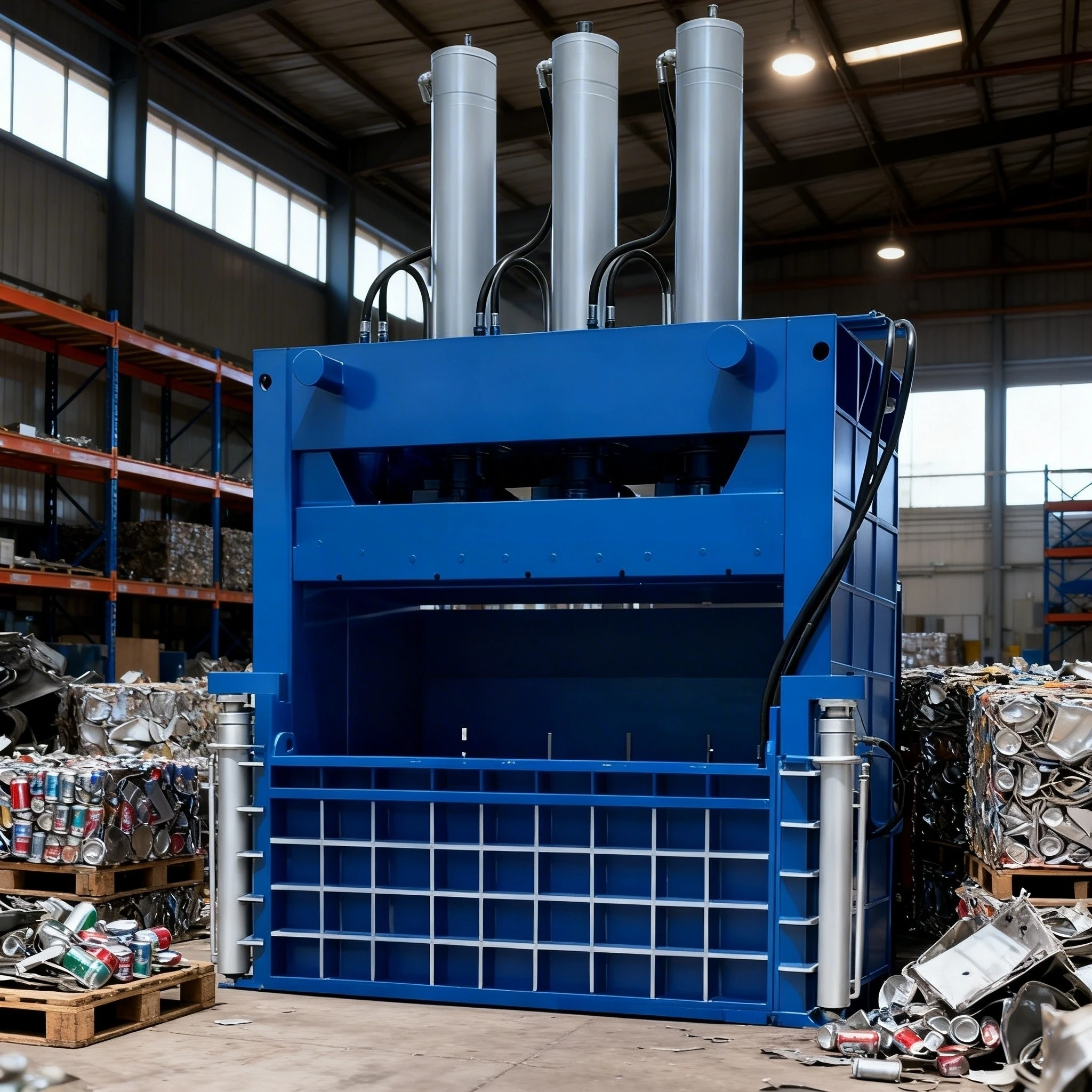
Vertical hydraulic balers are essential equipment for businesses of all sizes—from small retail stores and hotels to medium-sized recycling stations and manufacturing workshops—looking to compress loose waste materials into dense, manageable bales. Known for their compact footprint, easy operation, and cost-effectiveness, vertical hydraulic balers efficiently handle paper, cardboard, plastic, textile, and other recyclable waste, reducing storage space and transportation costs. However, to ensure long-term reliable performance, maximize equipment lifespan, and avoid costly downtime, proper operation, regular maintenance, and scientific care are critical. As a professional hydraulic machinery manufacturer based in Jining, Shandong, China, we’ve created this comprehensive technical guide to walk you through everything you need to know about operating, maintaining, and caring for your vertical hydraulic baler—helping you get the most out of your investment.
Safe Operation Guidelines for Vertical Hydraulic Balers
Safe operation is the foundation of efficient and long-lasting vertical hydraulic baler use. Incorrect operation not only risks equipment damage but also threatens operator safety. Follow these step-by-step guidelines to ensure safe and proper use:
1. Pre-Operation Inspection (Critical Step)
Before starting the baler each day, conduct a thorough pre-operation inspection to identify potential issues early and prevent accidents. This inspection should take no more than 5-10 minutes and include the following items:
-
Check the hydraulic oil level: Ensure the oil level is within the recommended range (between the minimum and maximum marks on the oil tank). Low oil levels can cause hydraulic system failure, while overfilling may lead to oil leakage and overheating.
-
Inspect hydraulic hoses and fittings: Look for signs of wear, cracks, or oil leakage. Tighten any loose fittings and replace damaged hoses immediately to avoid sudden failure during operation.
-
Test safety devices: Verify that the emergency stop button, safety door, and photoelectric sensors are functioning properly. The baler should not operate if the safety door is open or if the emergency stop is activated.
-
Check the compression chamber: Remove any debris, foreign objects (such as stones, iron blocks, or metal scraps), or leftover bale material from the chamber to prevent jamming and equipment damage.
-
Inspect electrical components: Check the power cord, control panel, and electrical connections for damage, looseness, or rust. Ensure the power supply is stable and matches the baler’s voltage requirements.
-
Verify installation stability: Ensure the baler is properly anchored to a reinforced concrete pad (minimum 3,000 psi capacity, 4 inches deep) and positioned at least 24 inches from any structure to allow safe operation and bale tying.
2. Correct Operation Steps
Follow these standard operation steps to ensure efficient and safe baling. Note that specific steps may vary slightly by model—always refer to your baler’s user manual for model-specific instructions:
-
Turn on the power supply and start the baler. Allow the hydraulic system to idle for 1-2 minutes to warm up, especially in cold weather (this prevents hydraulic oil from thickening and causing system strain).
-
Load materials evenly into the compression chamber. Do not overfill the chamber—follow the manufacturer’s recommended load capacity to avoid jamming. Sort materials by type (e.g., separate paper from plastic) for more uniform bales and better recycling value.
-
Close the safety door securely. The baler will not start compressing until the safety door is fully closed, ensuring operator safety.
-
Press the “Compress” button to start the hydraulic ram. The ram will move downward to compress the materials. Do not stand near the compression chamber or safety door during compression.
-
Once the desired compression density is achieved (adjustable via the control panel), press the “Stop” button. For semi-automatic models, manually insert strapping (steel wire or plastic strap) around the bale to secure it. For fully automatic models, the strapping process is automated.
-
Press the “Eject” button to push the bale out of the chamber. Use a forklift or manual tools to move the bale to the storage area—do not touch the bale with bare hands while it is being ejected.
-
After operation, turn off the power supply, clean the compression chamber and surrounding area, and record any issues or abnormalities in the maintenance log.
3. Operation Taboos (Never Do These)
To avoid equipment damage and safety hazards, strictly avoid the following improper operations:
-
Do not put hands, arms, or any body parts into the compression chamber during operation—this is the most common cause of operator injury.
-
Do not overload the compression chamber or feed incompatible materials (e.g., metal scraps, glass, stones) that can damage the hydraulic ram or chamber walls.
-
Do not bypass or disable safety devices (emergency stop, safety door) under any circumstances.
-
Do not operate the baler if you notice oil leakage, abnormal noise, or overheating—stop the machine immediately and conduct an inspection.
-
Do not mix different types of hydraulic oil—use the type recommended by the manufacturer to avoid damaging the hydraulic system.
-
Do not operate the baler without proper training. Ensure all operators are familiar with the machine’s controls, safety protocols, and maintenance requirements.
Comprehensive Maintenance & Care Plan for Vertical Hydraulic Balers
Regular maintenance is key to extending the service life of your vertical hydraulic baler, reducing downtime, and ensuring consistent performance. We recommend a tiered maintenance plan (daily, weekly, monthly, semi-annual, and annual) tailored to the frequency of use and operating environment. Below is a detailed breakdown:
1. Daily Maintenance (After Each Shift)
Daily maintenance takes 5-10 minutes and focuses on cleaning, inspection, and minor adjustments:
-
Clean the compression chamber, feed opening, and surrounding area to remove debris, dust, and leftover material. This prevents jamming and corrosion.
-
Check for oil leakage: Inspect the hydraulic tank, hoses, fittings, and cylinder for any signs of oil leakage. Wipe up any spilled oil to prevent slips and falls, and address the source of the leak immediately.
-
Check the hydraulic oil temperature: The normal operating temperature should be 35-55°C. If the temperature exceeds 60°C, stop the machine and allow it to cool down—check for clogged filters or insufficient oil as potential causes.
-
Inspect the strapping tool (if applicable): Ensure the strapping wire or plastic strap is loaded correctly and the tool is functioning properly.
-
Record any abnormalities (e.g., abnormal noise, slow compression, oil leakage) in the maintenance log for follow-up investigation.
2. Weekly Maintenance (Every 5-7 Operating Days)
Weekly maintenance focuses on lubrication and component inspection to reduce friction and prevent wear:
-
Lubricate moving parts: Apply lubricating grease to the hydraulic ram, guide rails, hinges, and strapping mechanism. Use the lubricant recommended by the manufacturer—over-lubrication can attract dust and debris, while under-lubrication causes excessive wear.
-
Tighten loose bolts and screws: Check all bolts, nuts, and fasteners (especially those on the frame, hydraulic cylinder, and control panel) and tighten any that are loose. Loose fasteners can cause vibration and damage to the machine.
-
Inspect the hydraulic filter: Check the filter for clogging or contamination. If the filter is dirty, clean it (if reusable) or replace it with a new one to ensure clean hydraulic oil and prevent system damage.
-
Test the hydraulic pressure: Verify that the hydraulic pressure is within the manufacturer’s recommended range (typically 10-30 MPa). Adjust the pressure relief valve if necessary—incorrect pressure can reduce compression efficiency or damage the hydraulic system.
3. Monthly Maintenance (Every 30 Operating Days)
Monthly maintenance involves more in-depth inspections of key components to identify potential issues before they escalate:
-
Inspect the hydraulic cylinder and ram: Check the ram for scratches, corrosion, or wear. If the ram is damaged, it may cause oil leakage or uneven compression. Apply anti-rust oil to the ram to prevent corrosion.
-
Check the hydraulic oil quality: Observe the color and clarity of the hydraulic oil. If the oil is dark, cloudy, or has a strange odor, it indicates contamination—replace the oil immediately and clean the oil tank. Typically, hydraulic oil should be replaced every 6-12 months, depending on usage frequency.
-
Inspect the safety door and interlock: Ensure the safety door closes tightly and the interlock switch functions properly. A faulty interlock can lead to unsafe operation.
-
Clean the electrical control panel: Use a dry cloth to wipe dust from the control panel and electrical components. Dust can cause short circuits and electrical failure.
-
Check the conveyor (if applicable): Inspect the conveyor belt for wear, cracks, or misalignment. Adjust the belt tension if necessary and lubricate the conveyor rollers.
4. Semi-Annual Maintenance (Every 6 Months)
Semi-annual maintenance requires more time and may require the assistance of a professional technician. Focus on replacing worn components and conducting system-wide checks:
-
Replace the hydraulic oil and filter: Drain the old hydraulic oil, clean the oil tank thoroughly, and refill it with new oil (follow the manufacturer’s recommended oil type and capacity). Replace the hydraulic filter to ensure optimal system performance.
-
Inspect the hydraulic pump and motor: Check the pump for abnormal noise, vibration, or leakage. Inspect the motor’s wiring and bearings—lubricate the bearings if necessary. If the pump or motor is damaged, replace it promptly.
-
Check the compression chamber walls: Inspect the chamber walls for wear, dents, or deformation. Replace worn wear plates to ensure uniform compression and prevent damage to the machine.
-
Test the emergency stop system: Simulate an emergency to ensure the emergency stop button immediately shuts down all machine operations. Replace any faulty buttons or switches.
5. Annual Maintenance (Every 12 Months)
Annual maintenance is a comprehensive inspection and service to ensure the baler remains in optimal condition for the coming year. We recommend hiring a professional technician for this maintenance:
-
Disassemble and inspect key components: Disassemble the hydraulic cylinder, ram, and valve to check for wear, corrosion, or damage. Replace worn seals, O-rings, and other components.
-
Inspect the frame and welding: Check the baler’s frame for cracks, deformation, or loose welding. Repair any damage to ensure structural integrity—this is critical for safe operation, especially under high compression force.
-
Calibrate the control system: Calibrate the PLC control system, pressure sensors, and limit switches to ensure accurate operation and consistent bale density.
-
Conduct a full-load test: Run the baler at full capacity for 1-2 hours to verify performance, compression efficiency, and safety. Address any issues identified during the test.
-
Review the maintenance log: Analyze the maintenance log to identify recurring issues (e.g., frequent oil leaks, filter clogging) and adjust the maintenance plan accordingly.
Common Faults & Troubleshooting Tips for Vertical Hydraulic Balers
Even with regular maintenance, vertical hydraulic balers may experience occasional faults. Below are the most common issues, their causes, and step-by-step troubleshooting tips to help you resolve problems quickly and minimize downtime:
|
Common Fault
|
Possible Causes
|
Troubleshooting Tips
|
|---|---|---|
|
Baler does not start
|
1. Power supply failure; 2. Emergency stop button not reset; 3. Safety door not closed properly; 4. Control fuse broken; 5. Motor starter overloaded
|
1. Check the power cord and socket; 2. Reset the emergency stop button; 3. Ensure the safety door is fully closed; 4. Replace the control fuse; 5. Press the “reset” button on the motor starter
|
|
Hydraulic ram moves slowly
|
1. Low hydraulic oil level; 2. Clogged hydraulic filter; 3. Hydraulic oil is too thick or thin; 4. Low motor voltage; 5. Air in the hydraulic system
|
1. Add hydraulic oil to the recommended level; 2. Clean or replace the hydraulic filter; 3. Replace with the correct type of hydraulic oil; 4. Check the power supply voltage; 5. Open the vent valve to release air from the system
|
|
Oil leakage
|
1. Worn or damaged hydraulic hoses/seals; 2. Loose fittings; 3. Overfilled hydraulic oil tank; 4. Clogged tank vent causing pressure buildup
|
1. Replace worn hoses or seals; 2. Tighten loose fittings; 3. Drain excess oil to the recommended level; 4. Clean or replace the tank vent
|
|
Bales are not dense enough
|
1. Insufficient hydraulic pressure; 2. Overloaded compression chamber; 3. Material is too wet or unevenly loaded; 4. Worn ram or chamber walls
|
1. Adjust the hydraulic pressure to the recommended range; 2. Reduce the load per cycle; 3. Dry wet materials or load materials evenly; 4. Replace worn ram or wear plates
|
|
Bale cannot be ejected
|
1. Ejector plate misalignment; 2. Damaged ejector mechanism; 3. Overfilled chamber; 4. Loose or broken strapping
|
1. Adjust the ejector plate alignment; 2. Inspect and replace damaged ejector components; 3. Remove excess material from the chamber; 4. Re-strap the bale securely
|
|
Motor overheats
|
1. Incorrect wiring; 2. Low hydraulic oil level (causing pump overwork); 3. Clogged hydraulic filter; 4. Extended continuous operation without cooling
|
1. Check and correct wiring; 2. Add hydraulic oil; 3. Clean or replace the filter; 4. Stop the machine and allow it to cool down
|
When to Call a Professional Technician
While many minor faults can be resolved with basic troubleshooting, contact a professional technician if you encounter the following issues:
-
Severe hydraulic system leaks or pump/motor failure.
-
Frame cracks, welding damage, or structural deformation.
-
Electrical short circuits or control system malfunctions that cannot be resolved by resetting or replacing fuses.
-
Baler performance issues (e.g., no compression, uneven bales) that persist after troubleshooting.
Key Maintenance Tips to Extend Baler Lifespan
In addition to the tiered maintenance plan, follow these expert tips to maximize the service life of your vertical hydraulic baler and ensure long-term reliability:
-
Use high-quality hydraulic oil and lubricants: Always use the type and grade recommended by the manufacturer. Low-quality oil can damage the hydraulic system and reduce performance.
-
Keep the baler clean: Regular cleaning prevents dust, debris, and moisture from accumulating in the hydraulic system and electrical components, reducing the risk of corrosion and failure.
-
Train operators properly: Ensure all operators are trained on safe operation and basic maintenance. Untrained operators are more likely to cause equipment damage or safety accidents.
-
Store the baler properly: If the baler is not in use for an extended period (e.g., more than 4 hours), run the pump empty for 5-10 minutes before restarting. In cold weather, use a heater to warm the hydraulic oil before operation; in hot weather, provide adequate ventilation to prevent overheating.
-
Keep spare parts on hand: Stock common spare parts (e.g., hydraulic filters, seals, fuses, strapping) to quickly replace worn or damaged components, minimizing downtime.
-
Follow the manufacturer’s maintenance schedule: Every vertical hydraulic baler is unique—always refer to the user manual for model-specific maintenance requirements and recommendations.
Final Thoughts
A well-operated and properly maintained vertical hydraulic baler can serve your business for 8-12 years, delivering consistent performance and cost savings. By following the safe operation guidelines, implementing the tiered maintenance plan, and addressing faults promptly, you can minimize downtime, reduce repair costs, and maximize the return on your investment.
As a trusted vertical hydraulic baler manufacturer in Jining, Shandong, China, we not only provide high-quality balers but also offer professional after-sales service, including maintenance training, technical support, and spare parts supply. Whether you need advice on maintenance, troubleshooting, or choosing the right baler for your business, our team is here to help.
If you have any questions about vertical hydraulic baler operation, maintenance, or care, contact us today. We’ll provide you with expert guidance to ensure your baler remains in optimal condition for years to come.